
U.S. $100 Bill Guide: History, Security & Collector Value

The U.S. $100 bill is one of the most recognized and trusted forms of currency in the world, combining history, advanced security, and collectible appeal. From its origins in the Civil War era to today’s high-tech design, the $100 note has evolved into both a financial tool and a numismatic asset. Understanding its features, rarity, and authenticity can help collectors and everyday users alike better appreciate its true value.
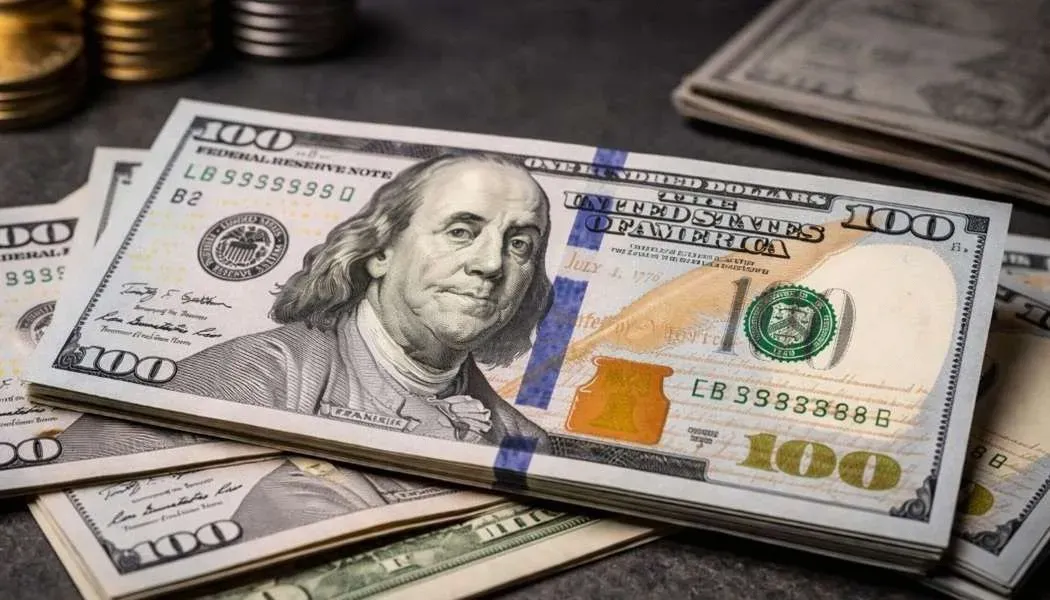
Why the $100 Bill Remains America’s Most Trusted Currency
The U.S. $100 bill, commonly referred to as the “Benjamin,” stands as one of the most recognized and trusted banknotes in the world. First issued in 1862 during the Civil War, it has evolved alongside the nation’s financial system, adapting to new technologies and security demands. Today, it represents not only purchasing power but also global confidence in the U.S. dollar. While investors often track assets like the gold spot price or silver spot price for wealth preservation, physical currency—especially the $100 bill—continues to play a unique role in both commerce and collecting. Its widespread circulation and enduring design make it a fascinating subject for numismatists and investors alike.
From Civil War Notes to Modern Currency Design
The earliest $100 notes were large-format bills featuring intricate artwork and allegorical imagery. These “horse blanket” notes remained in use until 1929, when the U.S. transitioned to the smaller format still used today. It was during the early 20th century that Benjamin Franklin became the central figure on the note, a choice reflecting intellect, innovation, and fiscal responsibility.
Key redesign periods have shaped the modern bill:
- 1929 Series: Standardized size and established Franklin’s portrait
- 1996 Redesign: Introduced advanced anti-counterfeiting features
- 2013 Series: Added cutting-edge technology like the 3D security ribbon
Each transformation has balanced tradition with innovation, ensuring the $100 bill remains secure and visually distinct.
Benjamin Franklin and His Enduring Symbolism
Unlike other U.S. currency denominations, the $100 bill does not feature a president. Instead, it honors Benjamin Franklin, whose contributions to science, diplomacy, and governance helped shape the nation’s foundation. His image represents more than history—it reflects values tied to economic stability and intellectual achievement.
For collectors, Franklin’s presence enhances the note’s appeal, linking it to the broader narrative of American progress. His legacy continues to resonate across both the paper currency market and the wider world of financial symbolism.
Modern Security Features That Protect the $100 Bill
The current $100 bill incorporates some of the most advanced anti-counterfeiting technology in circulation today. These features are designed not only to deter fraud but also to make verification accessible to everyday users.
Key elements include:
- 3D Security Ribbon: A woven blue strip with moving imagery when tilted
- Color-Shifting Ink: The “100” changes color depending on viewing angle
- Bell in the Inkwell: A hidden image that appears with movement
- Watermark & Security Thread: Embedded elements visible under light or UV
- Microprinting: Fine details that are difficult to replicate
Together, these features combine traditional engraving with modern innovation, reinforcing the bill’s security.
Spotting a Genuine $100 Bill in Circulation
While modern $100 bills include sophisticated security measures, knowing how to apply them in real-world situations is essential. Because of its high value, the $100 bill is a common target for counterfeiting attempts.
To verify authenticity:
- Tilt the note to observe movement in the blue ribbon
- Check that the color-shifting ink transitions clearly
- Feel for raised printing on Franklin’s portrait
- Hold the bill to light to confirm the watermark
- Use UV light to reveal the glowing security thread
- Inspect microprinting for sharp, legible detail
Authentic bills display consistent quality and precision. If a note appears blurry, flat, or missing key features, further verification is recommended.
Treasury Seals and Their Historical Importance
The seals printed on U.S. currency provide valuable insight into a bill’s origin and type. Over time, different seal colors have been used to distinguish note categories:
- Red Seals: Early United States Notes, now highly collectible
- Blue Seals: Silver Certificates once redeemable for precious metals
- Green Seals: Standard Federal Reserve Notes in circulation today
Collectors often seek specific combinations of seals, signatures, and series dates, as these factors can influence rarity and value.
Which $100 Bills Carry Collector Value?
Although most modern $100 bills trade at face value, certain notes can command significant premiums in the collector market. Rarity, condition, and unique characteristics all play a role in determining value.
Highly sought-after examples include:
- Early Silver Certificates (1928, 1934 series)
- Red Seal notes with limited production runs
- Star notes with replacement serial numbers
- Bills with low serial numbers or printing errors
- Uncirculated modern notes with exceptional condition
In rare cases, error notes and early designs have sold for tens or even hundreds of thousands of dollars at auction, highlighting the potential upside in paper currency collecting.
Researching and Evaluating Your $100 Bill
To determine the value of a specific note, collectors should compare it against verified auction results and grading standards. Reputable auction houses such as Heritage Auctions and GreatCollections provide useful benchmarks.
Key factors to evaluate include:
- Series year and seal type
- Serial number rarity
- Overall condition and grading
- Presence of errors or anomalies
Professional grading services like PMG and PCGS Banknote can authenticate and certify notes, providing added confidence and marketability.
Preservation Techniques for Long-Term Value
Condition plays a critical role in determining the value of collectible currency. Proper storage can significantly enhance a note’s long-term appeal and resale potential.
Best practices include:
- Using archival-quality sleeves or holders
- Avoiding exposure to light, heat, and humidity
- Handling notes minimally to prevent wear
Just as investors protect assets tied to the gold price today or silver market trends, preserving paper currency ensures its historical and financial value remains intact.
Why the $100 Bill Continues to Captivate Collectors
For many enthusiasts, collecting $100 bills offers a unique blend of history, artistry, and financial insight. Each note reflects a specific era in U.S. monetary development, from early large-size designs to today’s technologically advanced currency.
Beyond collecting, the $100 bill also serves as a global symbol of economic trust, often used internationally as a store of value. Its connection to broader financial systems—including precious metals markets and currency stability—makes it a compelling addition to any collection.
A Lasting Symbol of Value and Trust
The U.S. $100 bill represents far more than a medium of exchange—it is a reflection of American history, innovation, and financial credibility. From its Civil War origins to its modern security features, each version tells a story of progress and protection.
Whether you are a collector, investor, or simply curious about currency, understanding the evolution and value of the $100 bill offers deeper insight into the broader financial landscape. Just as investors monitor the silver spot price or diversify into tangible assets, exploring rare and historic banknotes provides another meaningful way to connect with wealth preservation and history.